The hybrid security model: why the future is neither human nor technological, but both
The "guards or cameras" debate is obsolete. The schemes that actually reduce incidents intelligently integrate human operations with autonomous technology.
For years, the debate in the security industry was framed as a choice: guards or cameras? personnel or electronic systems?
Today that debate is obsolete. Operational evidence shows that the most robust schemes — the ones that actually reduce incidents and optimize costs — are the ones that intelligently integrate human operations with autonomous technology.
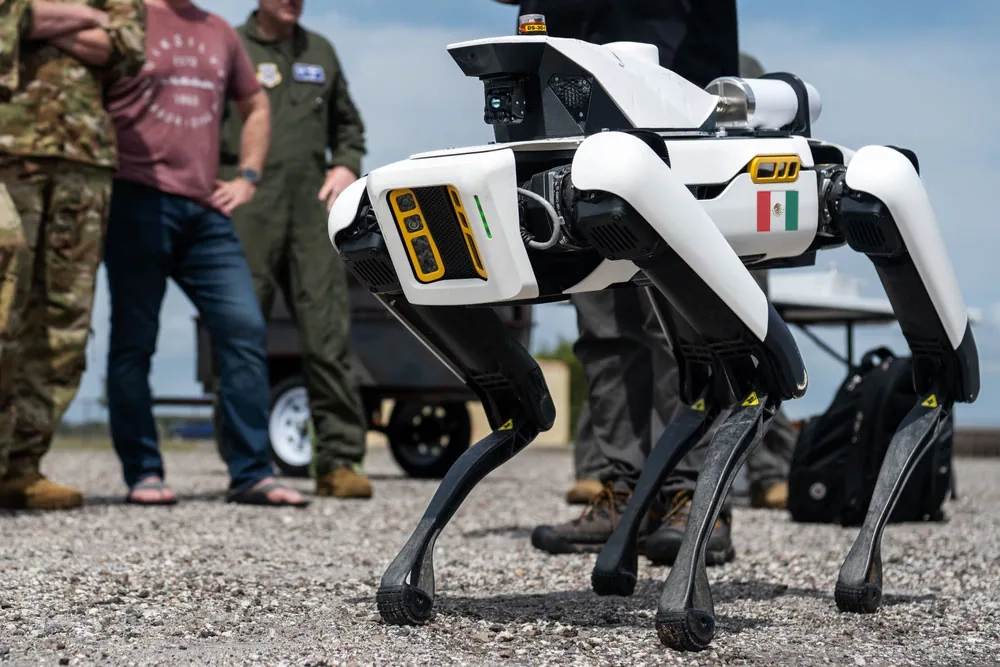
The hybrid model does not mean putting a camera in front of a guard and calling it innovation. It means designing a system in which every element — human or technological — performs the function it is best equipped for. Technology is efficient for continuous surveillance, pattern analysis, early detection and the coverage of extensive areas.
The human operator is irreplaceable for situational judgment, response in complex scenarios and interaction with people.
At LOCSA we have developed design methodologies that start from a real diagnosis of the client: what assets they protect, what their risk routes are, how much personnel is available and what technology is already in place. From that diagnosis we build a proposal that maximizes coverage without unnecessary redundancy.
The result is a scheme that is more efficient, more sustainable and more adaptable. Because security that works is not the most expensive or the most complex — it is the one well designed for the specific environment it must protect.

